.svg)
What We Learned at the 2026 World Congress of Sports
Inside the biggest ideas shaping sports and what they mean for racket sports
From Fanatics CEO Michael Rubin to Netflix CCO Bela Bajaria, this year’s CAA World Congress of Sports featured some of the most influential voices shaping the future of the industry.
The Racket Sports Weekly team was on the ground to understand not just where sports business is heading, but how those shifts translate to tennis, pickleball, and padel.
After sitting through panels across media, marketing, and fan engagement, three themes stood out.
1. You Don’t Need the Rights to Win in Sports Media
Over the past decade, the cost of sports rights has skyrocketed, forcing even the biggest platforms to rethink their approach.
At Netflix, that’s led to a clear strategy. Don’t chase the rights, but instead tell the best stories.
Under CCO Bajaria’s leadership, Netflix has leaned into sports-adjacent content like Drive to Survive and athlete-driven documentaries. The goal isn’t to support existing rights holders. It’s to create culturally relevant content that captures attention and builds fandom.
That distinction matters.
For racket sports, where media rights aren’t always centralized or accessible, this opens the door to a different playbook. You don’t need live match rights to grow the sport. You need compelling storytelling that brings people in.
2. If You Want to Build Something Big, Start With the Players
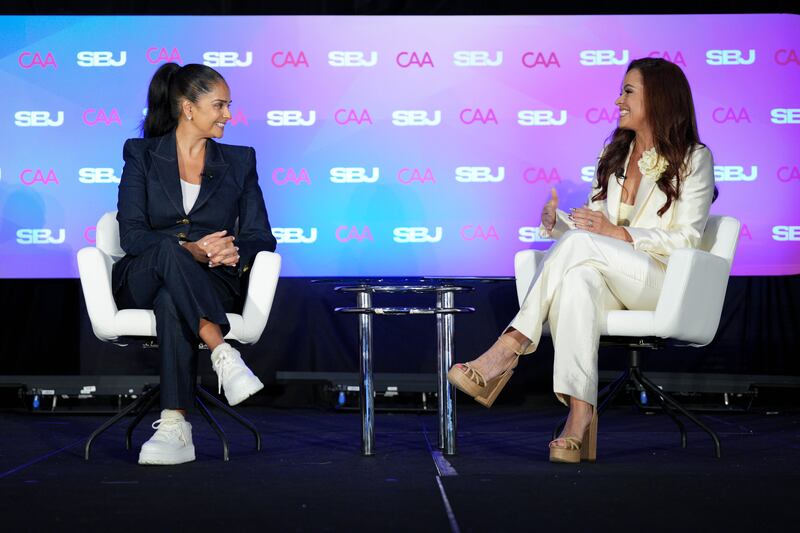
When Fanatics acquired Topps, Rubin noticed a disconnect. MLB players weren’t engaged with baseball cards at all.
So he flipped the model.
Instead of marketing to fans first, Fanatics focused on getting players invested, literally. Today, roughly half the league collects cards, helping fuel a $4.5 billion collectibles business.
The takeaway is simple but powerful: when players buy in, everything else follows.
For racket sports, this is especially relevant. The athletes are still the most influential drivers of interest. Whether it’s new leagues, products, or content platforms, getting player participation isn’t a bonus, it’s the foundation.
3. Female Athletes Are Driving the Sports–Lifestyle Crossover
There’s been a surge in attention around women’s sports, and it’s not just about performance on the court.
Brands are increasingly recognizing that female athletes often resonate beyond traditional sports audiences, sitting at the intersection of sport, culture, and lifestyle.
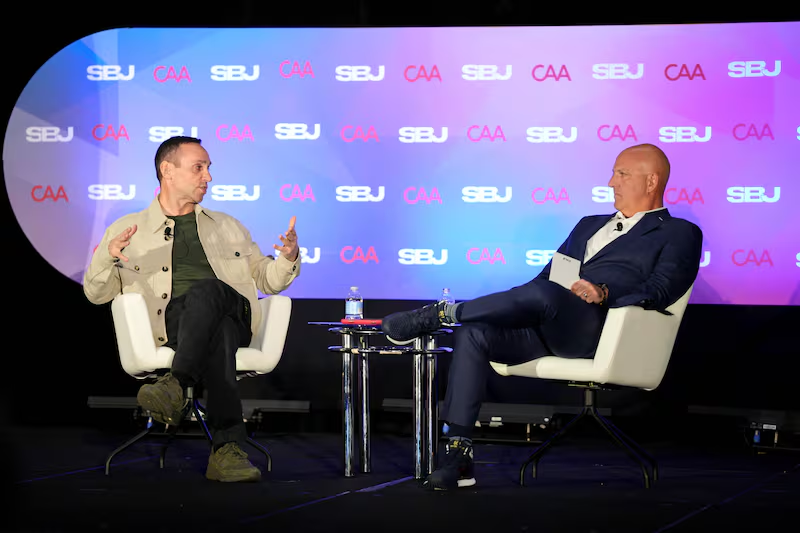
New Balance Brand President and CMO Chris Davis pointed to Coco Gauff as a prime example. She’s not only New Balance’s top athlete, but also the only one with two signature shoes, largely because her influence extends well beyond tennis.
For brands, especially those outside the sports category, that broader reach translates to stronger ROI.
For racket sports, it’s a reminder that growth won’t come from competition alone. It will come from athletes who can carry the sport into new spaces.

Final Thoughts
The biggest takeaway from the World Congress of Sports wasn’t about any single league or deal. It was about how quickly the playbook is changing.
And for racket sports, that’s an opportunity.
Whether it’s embracing new media models, building with players at the center, or leaning into lifestyle-driven athletes, the path forward doesn’t have to mirror traditional sports.
In fact, the biggest opportunity may come from doing things differently.