.svg)
Inside the Rise of a Racket Club Empire
How SPORTIME is building the future of tennis, pickleball, and the modern club experience
We all know the racket sports industry is having a major moment.
Participation is up. New facilities are opening across the country. And sports like pickleball and padel are bringing in entirely new audiences.
But behind the growth, the business of running a successful club is more complicated than it looks.
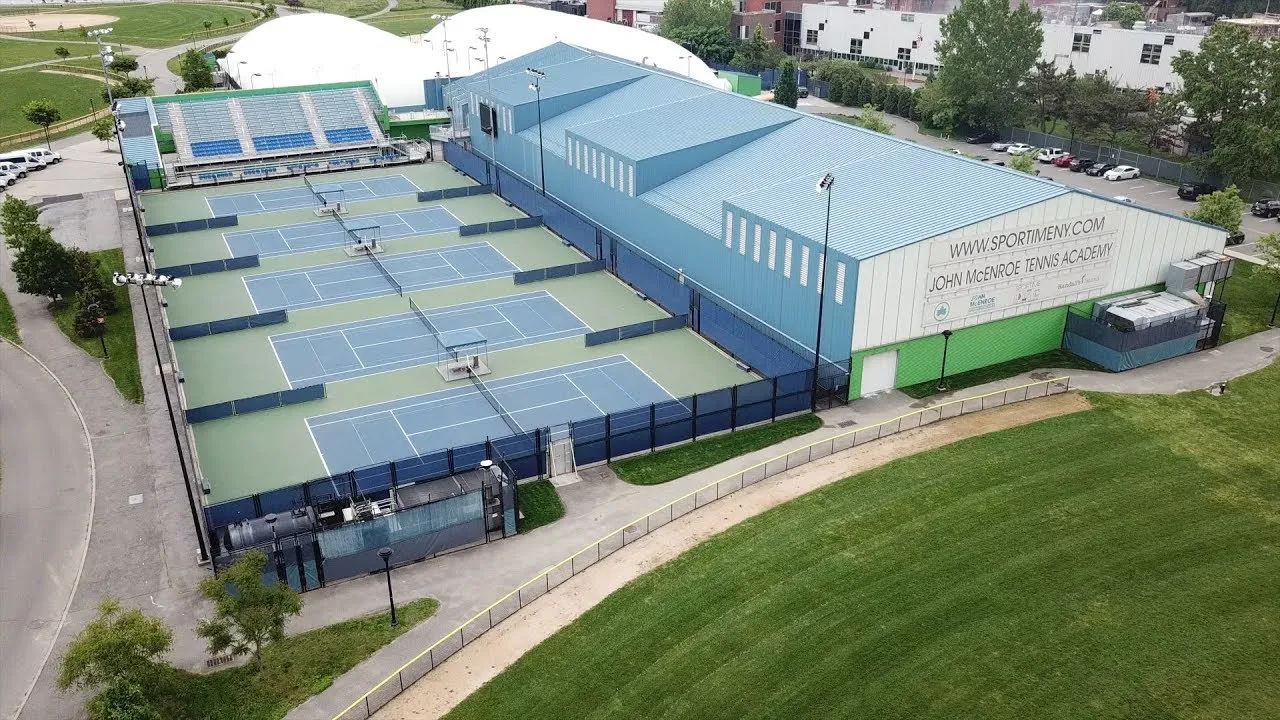
That’s exactly what came through in a recent Racket Sports Weekly podcast conversation with Claude Okin (CEO/founder) and Joe Siegel (Managing Director) of SPORTIME, one of the largest operators of tennis and pickleball clubs on the East Coast.
With more than 20 clubs, 300+ courts, and over $100 million in annual revenue, SPORTIME offers a clear window into where the industry is today and where it’s headed next.
From Court Rentals to Community
For decades, racket clubs operated on a simple model. They provide the courts, rent them out, and let players handle the rest.
Today, that model is harder than ever to profit from and so it’s started disappearing.
“The industry has gone from a landlord-tenant business to a programming and community business,” Okin said.
Today, the most successful clubs aren’t just selling court time, but they’re building ecosystems. Lessons, leagues, junior development, social events, and curated experiences are now the core of the business.
Clubs that rely solely on court bookings are increasingly at risk of falling behind. Without the programming/community ecosystem, there’s very little room to become a profitable business.
Pickleball’s Growth and Its Reality Check
Pickleball has been the biggest growth story in racket sports over the past five years. Participation has exploded, and new courts are being built at a rapid pace.
But the business side hasn’t fully caught up.
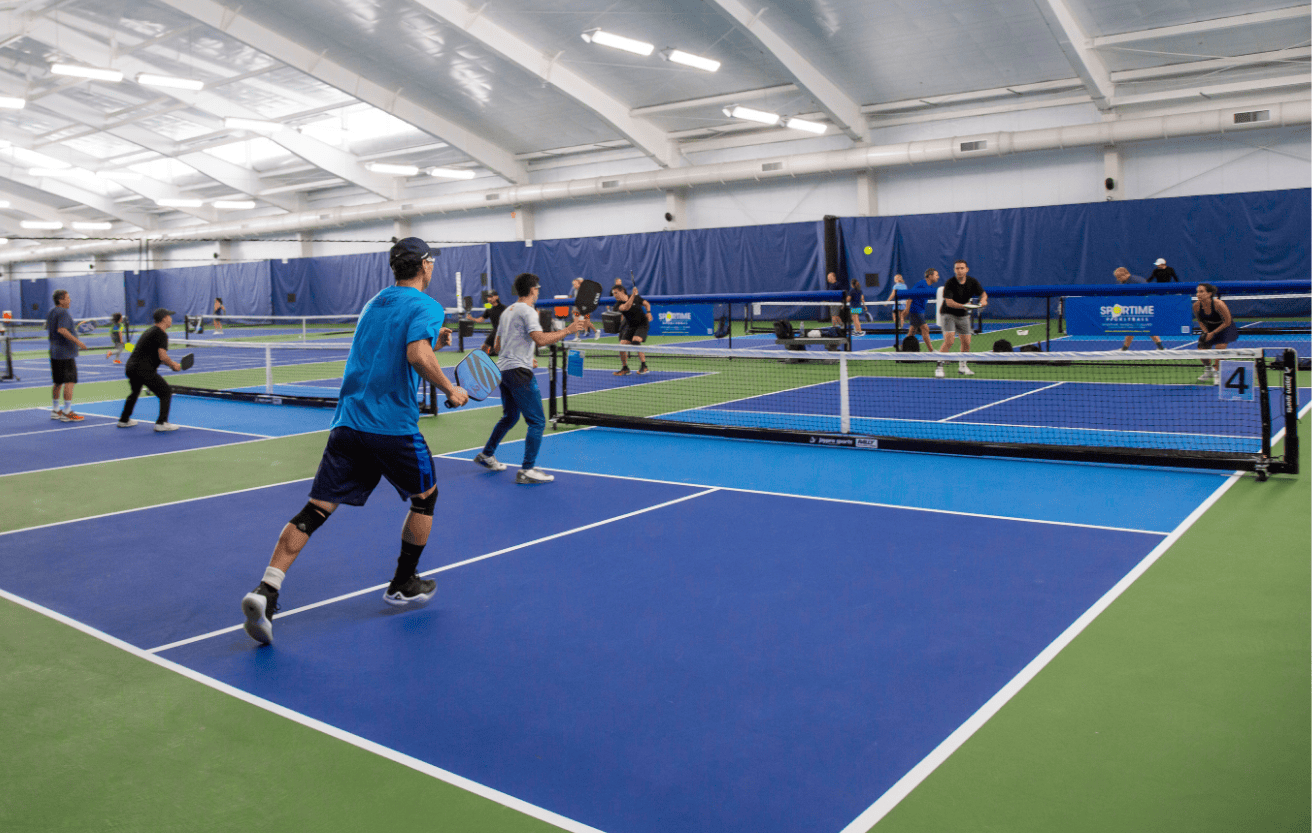
At SPORTIME, pickleball accounts for nearly half of the company’s total courts. Yet it generates only a fraction of the revenue.
“Even though almost half our courts are pickleball, it only accounts for 10% of our total revenue.”
The gap highlights one of the biggest challenges in the industry today.
Most pickleball activity is still driven by casual court rentals like friends booking time to play, rather than structured programming like lessons, leagues, or clinics.
That creates two key issues:
- Lower revenue per hour
- Less control over the customer experience
At the same time, supply is rapidly increasing.
“There are more courts in the market than ever,” Siegel said, noting that many operators are now competing for the same players.
The result is a crowded landscape that will likely need time to stabilize.
Why Kids Drive the Business
One of the clearest insights from the conversation is that long-term success in racket sports isn’t built on adult participation alone.
It’s built on kids.
Adults tend to be inconsistent. They play when they have time, drop in and out, and are less likely to commit to structured programming.
Junior players are different.
They stay in programs longer, participate more consistently, and bring in families willing to invest in development. And parents are much more willing to invest in their kids than themselves.
“If we didn’t have our junior business, none of our clubs would be making money,” Okin said.
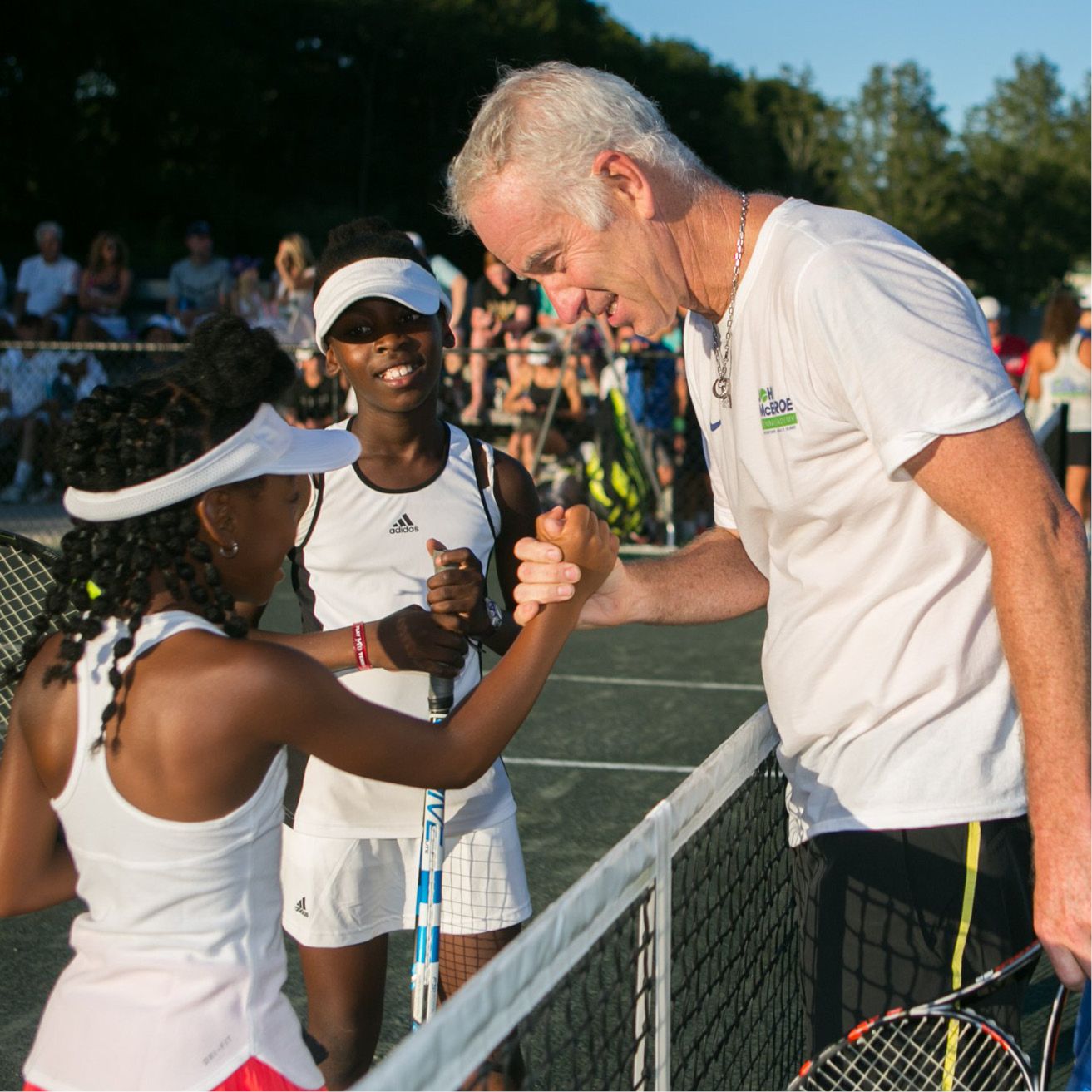
This model has already been proven on the tennis side through the John McEnroe Tennis Academy, which has developed top junior players and built a sustainable pipeline of long-term customers.
Now, SPORTIME is applying a similar approach to pickleball by focusing on team-based formats and creating a more social, accessible entry point for younger players.
What Comes Next for Racket Sports
Looking ahead, the industry is entering a new phase.
Tennis remains relatively stable, with established infrastructure and development pathways. Pickleball, meanwhile, is still in the early stages of figuring out its long-term economics.
The next five years will likely bring:
- A shift toward more programming-driven revenue
- Consolidation in oversupplied markets
- Growth in junior development for pickleball
- Continued expansion of complementary sports like padel
There are also broader challenges to navigate, from aging tennis infrastructure to increased competition from other fitness and wellness activities.
But overall, the outlook remains strong.
Participation is growing. Interest is high. And operators who adapt to the new model have a clear opportunity to build sustainable businesses.