.svg)
Inside LA’s First Premier Padel Club
Los Angeles Padel Club is setting the standard for padel on the West Coast
Padel in Los Angeles has one major problem.
There aren’t enough places to play.
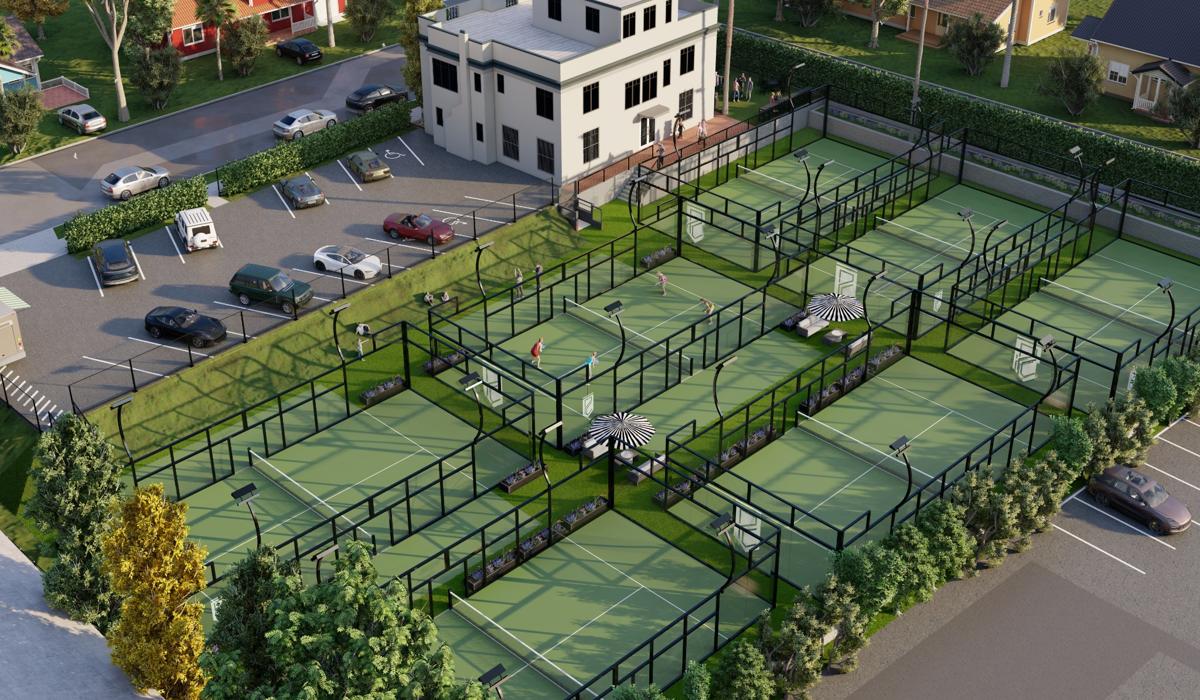
That’s what Steve Shpilsky is trying to change with Los Angeles Padel Club, a new premier club set to bring a full-scale, hospitality-driven padel experience to one of the most complex markets in the U.S.
On the latest episode of the Racket Sports Weekly podcast, Shpilsky broke down what it takes to build a padel club in Los Angeles and why the opportunity is bigger than just adding courts.
Demand Isn’t the Problem. Real Estate Is.
Padel’s growth story in the U.S. often focuses on awareness and participation.
But in Los Angeles, the bigger issue is infrastructure.
“There’s nowhere to play,” Shpilsky said. “That’s what got me into this.”
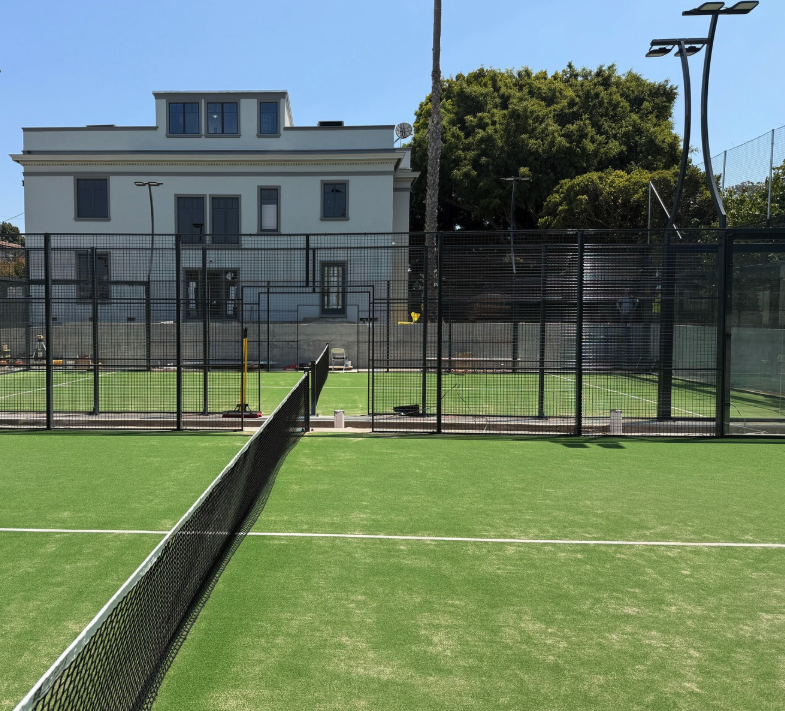
Finding space in the right neighborhood is already difficult. But even when you do, the challenges quickly stack up with things like zoning restrictions, permitting, lighting regulations, noise considerations, drainage, seismic requirements, and more.
“It’s not just about finding space,” he explained. “It has to financially make sense, and you need long-term stability to justify the investment.”
In a market where real estate is both scarce and expensive, that’s a major barrier to entry. It’s one of the key reasons padel hasn’t scaled in Los Angeles at the same pace as cities like Miami or New York.
Building a Club, Not Just Courts
While access is the starting point, Shpilsky’s vision goes far beyond simply adding courts.
At its core, Los Angeles Padel Club is designed as a hospitality business.
“How does someone feel when they walk through your doors?” he said. “That’s what matters.”
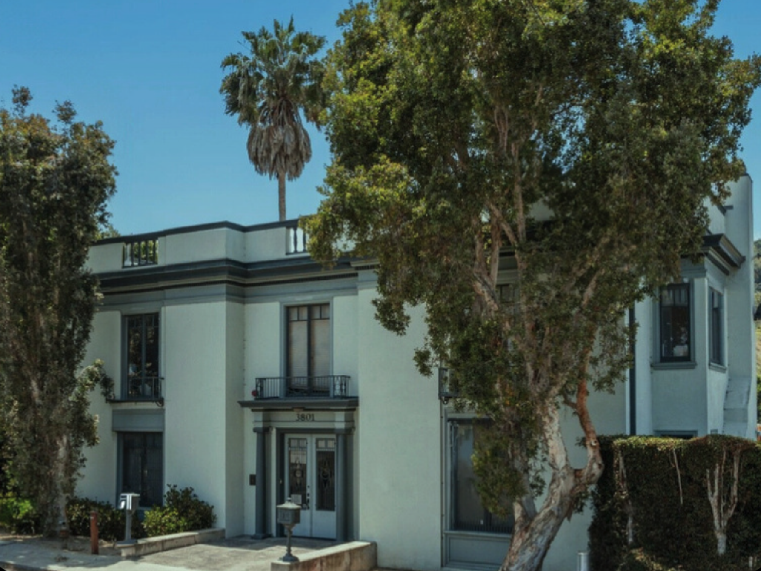
The club will feature seven courts alongside a full clubhouse experience, including locker rooms, food and beverage, co-working space, and social areas designed to keep people on-site before and after they play.
That approach reflects a broader shift in how racket sports facilities are being built.
It’s no longer just about bookings. It’s about creating an environment where players want to spend time, build relationships, and return consistently.
“Padel is social by definition,” Shpilsky said. “We want to create a place where people can meet, network, and stay.”
The Biggest Opportunity: New Players
While tennis and pickleball players are natural early adopters, Shpilsky sees the real growth coming from a different audience.
“The opportunity is everyone who doesn’t even know what padel is,” he said.
In the U.S., awareness is still extremely low. Even in a market like Los Angeles, most people haven’t heard of the sport.
That creates a unique opportunity and a unique challenge.
The focus isn’t just converting existing racket sport players. It’s introducing padel to entirely new audiences, from young professionals to families to people who have never even picked up a racket.
The good news is that once people try it, they tend to stick with it.
“The retention rate is really high,” Shpilsky said. “People play once, and they want to keep playing.”
Programming for Everyone
One of the advantages of launching with seven courts is the ability to serve multiple player types at once.
Los Angeles Padel Club is building programming across several key segments:
- Beginners just learning the game
- Intermediate and advanced players looking to improve
- Youth development and junior programs
- Competitive players and aspiring pros
That structure allows players to grow within the ecosystem, rather than cycling in and out.
It also reflects the reality of Los Angeles as a market.
“You’ve got families, executives, and young professionals all in the same area,” Shpilsky said. “We need to build something that works for all of them.”
Why Youth and College Matter
Long term, Shpilsky sees one of the biggest growth drivers coming from youth and collegiate padel.
He’s already working with local universities to launch club programs and host events with the goal of building a pipeline for future players.
“If padel becomes an NCAA sport, that’s a huge tipping point,” he said.
The logic is simple. If there’s a pathway to scholarships or college admissions, participation will follow.
It’s a long-term bet, but one that could fundamentally change the trajectory of the sport in the U.S.
Connecting to the Pro Game
Los Angeles Padel Club will also serve as the home base for the LA Beat, a team in the Pro Padel League.
For Shpilsky, that’s a critical piece of the ecosystem.
Right now, most U.S. fans don’t know that pro padel teams even exist in their cities. Without a physical presence, it’s difficult to build local awareness or loyalty.
“A team needs a home,” he said. “A place where people can see the players, train, and connect with the brand.”
By anchoring the pro team to a real-world location, the goal is to create a stronger connection between the sport’s top level and the local community.
The Long-Term Vision
What started as a passion project of simply building a place to play near his home has evolved into something much bigger.
Shpilsky now sees Los Angeles Padel Club as the foundation for a scalable platform.
The model draws inspiration from hospitality brands like Marriott or Hilton, where the value isn’t just in owning locations, but in building a brand, a playbook, and a system that can expand across markets.
“Can we create the Marriott of padel?” he said. “That’s the goal.”