.svg)
Inside America’s Premium Padel Club
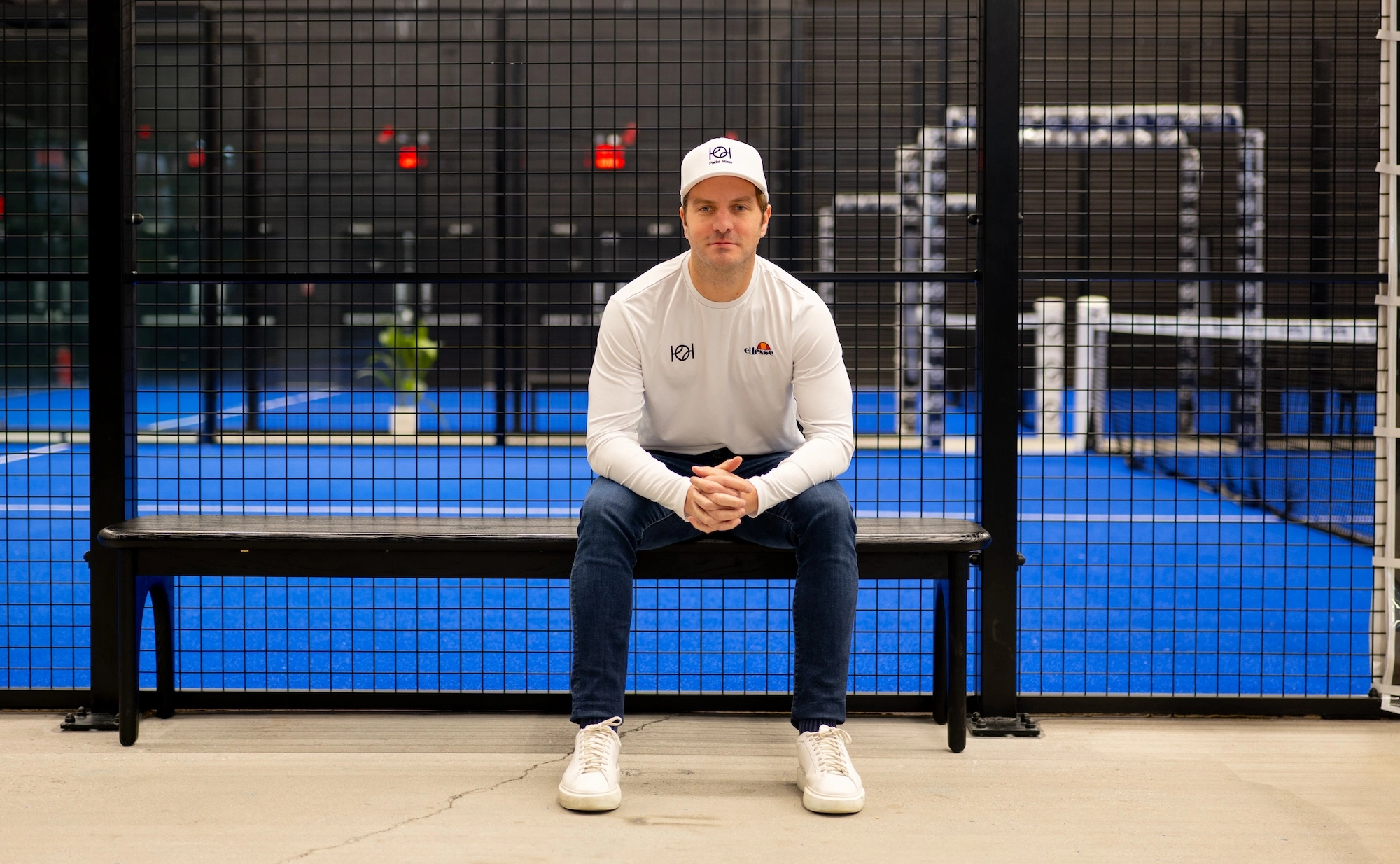
Founder & CEO of Padel Haus discusses becoming the “gold standard,” the importance of community building, and why many underestimate the club business
The growth of padel across the country has opened the door for padel operators to create new clubs in major metro areas. But it takes much more than simply building courts to create a truly successful club with long-term sustainability.
This is something Santiago Gomez understands all too well in his journey to create the “gold standard” for padel clubs in the U.S.
We sat down with Santiago Gomez, Founder & CEO of Padel Haus, to discuss his journey in becoming a leading padel operator with clubs in New York, Nashville, and beyond. Since launching in 2021, the company has positioned itself as a design-forward, hospitality-driven brand within the growing U.S. market.
Building a Club Experience Outside the Court
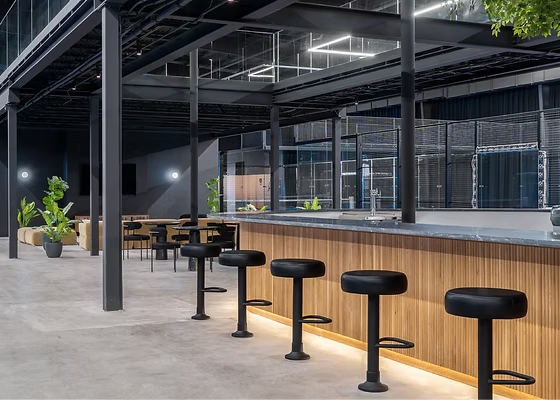
From day one, Gomez knew the importance of building a premium experience off the court to deliver value and community to its players.
“I always had a vision and idea that people don’t just want to go and play some padel just because they want to hit balls for 60 or 90 minutes. There’s a lot more to it. The experience not only goes beyond the four walls of our club with an interactive app, but when players step off the court the experience continues. You can hang out and grab a drink. Take part in the wellness that we have here, whether it's the cold plunge, steam room, physical therapy, or massage room. All that is part of the experience that keeps people coming back to the club,” said Gomez.
Padel clubs need more than just courts. The experience around the action is what keeps people coming back and building the connections that make padel more than just hitting a ball.
From Pickleball to Padel
The racket sports industry has entered an era of curiosity with players looking to try the next hot racket sport. Padel has now entered that conversation as players begin to experiment outside of sports like pickleball and shifting to padel.
“We are a padel only operator. We want to keep growing that way. But I don't think that our business model is the only one to grow padel. There are other operators doing a very good job of funneling players from other sports.”
“A perfect example is pickleball as a funnel of racket sports enthusiasts that come to a facility to play pickleball and never heard of padel. They see it and want to try it for the first time. Once they try it, the conversion to padel is typically a one-way street. They never come back to play pickleball.”
This is an interesting insight as racket sports battle to attract new players. There are a lot of people who don’t play racket sports and it would be great to attract them into the racket sports ecosystem. However, it is much easier to convert a racket sports player from another racket sport. Gomez is seeing this success first hand as it helps grow padel.
The Biggest Misconception in Padel Clubs
We’ve all seen the padel headlines about the latest racket sport growing fast in the U.S. It makes people think that padel clubs are easy ways to become successful. The reality isn’t as simple as that.
“People read on the news about padel clubs and sometimes writers exaggerate portraying them as gold mines. It’s not true. There are operators losing money today. There's people that are signing leases that they won’t be able to pay back or buying land where they will not be able to pay their mortgage or pay back their investors. I think that a lot of investors are making mistakes, trusting people that don't have experience,” said Gomez.
While there are many opportunities in the sport, success isn’t guaranteed. People still need to research, align themselves with the right people, and build a strong community similar to what Gomez has accomplished with Padel Haus. The risks of overexpansion, real estate exposure, and early market shakeout make it clear that padel success across all clubs is not a sure thing.
What Lies Ahead
The rapid expansion of padel clubs across the United States has created excitement, along with some risk as well.
While early growth in new sports rewards those who are fast, there are risks around supply and competition increase. This is where differentiation becomes more important than being first.
Gomez’s emphasis on premium positioning, community-building, and disciplined expansion reflects a broader shift in U.S. padel. Clubs that focus on these key areas will achieve long-term financial success within the industry.
Operators who understand this next chapter of padel growth are likely to shape the long-term future of the sport.